
Views: 0 Author: Site Editor Publish Time: 2026-07-07 Origin: Site


Selecting the right manufacturing process at the prototyping-to-production transition carries massive financial and operational stakes. Tooling investments routinely demand significant capital expenditure. A wrong choice locks you into a production method incapable of meeting your product demands. You risk misaligning part requirements with the chosen manufacturing method. This misalignment leads directly to premature part failure, excessive unit costs, or severely delayed time-to-market. Engineers must balance mechanical stress, thermal loads, weight limits, and aesthetic needs against production realities.
The decision between casting metals and molding plastics requires a strict comparative framework. You cannot base this choice solely on initial tooling quotes. The decision hinges entirely on material science, expected production volume, process complexity, and lifecycle unit economics. Understanding the fundamental mechanics of each process ensures your final components meet performance standards while maintaining healthy profit margins. This guide breaks down the technical differences, material limitations, and cost structures to help you select the optimal manufacturing route for your next project.
Material Divergence & Breadth: Die casting is exclusively for metals (primarily aluminum, zinc, and magnesium), offering superior structural integrity and thermal conductivity. Conversely, injection molding offers a significantly broader range of material options, utilizing thousands of distinct thermoplastic and thermosetting polymers for lightweight, versatile, and electrically insulating parts.
Volume and Amortization: Both processes require high initial capital for tooling, but high pressure die casting parts typically demand higher upfront mold costs that require larger production runs to achieve optimal cost-per-part amortization.
Process Variants and Cost Nuances: While standard injection molding uses plastics, Metal Injection Molding (MIM) exists as a hybrid alternative for small, complex metal parts. However, MIM typically incurs higher per-part processing costs than traditional die casting.
Tolerances, Aesthetics, and Post-Processing: Die casting often requires secondary machining to hit tight tolerances or specific surface finishes, while injection molding frequently produces net-shape parts with integrated colors and textures straight from the mold.
The core mechanism involves forcing molten metal into a machined steel mold cavity under extreme pressure. Hydraulic cylinders drive a plunger, pushing liquid alloy into the die at high velocities. We see two main variations on the shop floor: hot chamber and cold chamber machines. Hot chamber machines submerge the injection mechanism directly in the molten metal, which works well for lower-melting-point alloys like zinc. Cold chamber machines require an operator or robotic ladle to transfer molten metal into the shot sleeve for each cycle, a necessity for aluminum to prevent rapid degradation of the machine components.
The standard production cycle follows a strict, repeatable sequence:
Die Preparation: Automated sprayers apply a water-based release agent to the die halves. This cools the steel and prevents the molten metal from soldering to the cavity walls.
Clamping: Heavy-duty hydraulic toggles lock the two die halves together, resisting the immense injection pressure.
Injection: The plunger forces the molten metal into the cavity in milliseconds.
Cooling: The metal solidifies rapidly against the water-cooled steel walls.
Ejection: The machine opens, and a network of ejector pins pushes the hot part out of the tool.
Trimming: A secondary trim press shears off the runner system, overflows, and excess flash.
This rapid injection fills complex geometries before the metal freezes. Producing high pressure die casting parts allows engineers to achieve much thinner walls than gravity or sand casting methods. The high pressure ensures dense material packing. This results in rapid cycle times, often measured in seconds, making it highly efficient for mass production.
Injection molding relies on feeding solid polymer pellets into a heated barrel. A rotating reciprocating screw melts the plastic through shear friction and external heater bands. The machine injects this low-viscosity thermoplastic or thermosetting polymer into a closed metal mold. Unlike liquid metal, melted polymers exhibit non-Newtonian flow behaviors, meaning their viscosity changes based on the shear rate applied during injection.
The plastic molding cycle requires precise control over temperature and pressure:
Plastication: The screw rotates, drawing pellets forward while melting and mixing them into a homogeneous melt pool ahead of the check ring.
Injection: The screw drives forward like a plunger, forcing the plastic through the sprue, runners, and gates into the cavity.
Pack and Hold: The machine applies holding pressure. This pressure packs extra material into the cavity to compensate for volumetric shrinkage as the plastic cools.
Cooling: Water or oil channels run through the mold tool to extract heat. This phase dominates the overall cycle time.
Ejection: The mold opens, and pins or stripper plates remove the finished part.
Polymer viscosity dictates the entire mold design. Engineers must carefully size gates, runners, and vents to prevent short shots or trapped gas. You must balance the injection speed to avoid burning the material through excessive shear heating while ensuring the cavity fills completely.
Standard plastic injection molding differs entirely from Metal Injection Molding (MIM). MIM acts as a hybrid alternative. The process mixes fine metal powder with a polymer binder to create a feedstock. The machine molds this feedstock just like plastic. The resulting "green part" then undergoes a chemical or thermal debinding process to remove the polymer. Finally, a high-temperature sintering furnace fuses the metal particles together.
MIM competes directly with casting only under specific conditions. It excels at producing very small, highly intricate steel parts. MIM offers lower tooling costs for complex geometries because the molds do not endure molten metal temperatures. However, MIM incurs significantly higher ongoing process costs. The multi-step debinding and sintering phases add time, energy, and labor compared to a single-step casting cycle. Furthermore, MIM parts shrink by 15% to 20% during sintering, requiring exceptional tooling design to hit final dimensional tolerances.
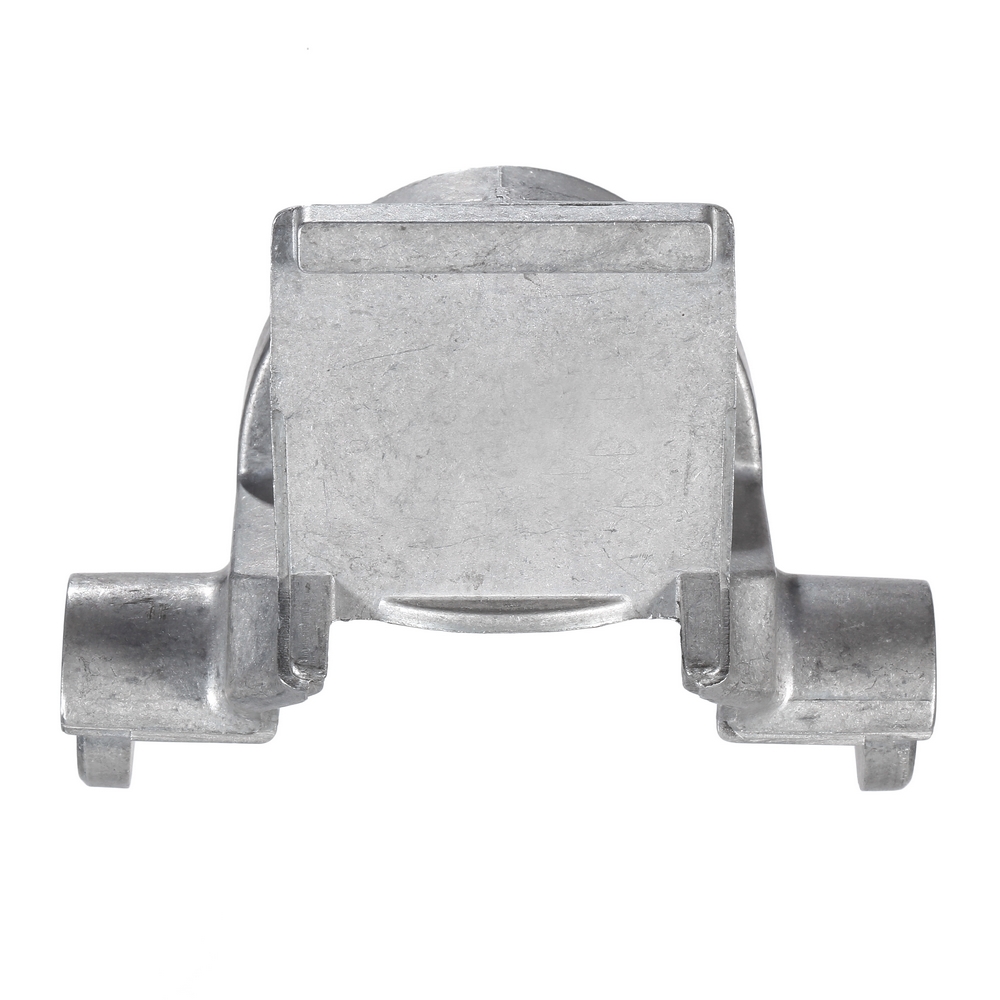
Engineers primarily rely on three metal families for cast components. Each offers distinct mechanical advantages for structural applications. You must match the alloy to the specific environmental demands of the end product.
Aluminum: This metal dominates the industry. Aluminum alloy die casting parts deliver an exceptional strength-to-weight ratio. Common grades like A380 and A360 maintain strict dimensional stability under heavy loads. Aluminum also provides excellent thermal conductivity, making it the standard choice for heat sinks, transmission housings, and engine components. It resists corrosion well, especially when anodized or powder-coated.
Zinc: Zinc alloys flow easily into intricate mold details. Zinc alloy die casting parts offer high ductility and superior impact strength. Grades like Zamak 3 and Zamak 5 accept surface plating very well, making them ideal for decorative hardware. Furthermore, zinc has a lower melting point than aluminum. This lower temperature significantly extends the lifespan of the steel mold tool, often allowing a single die to produce over a million shots.
Magnesium: Magnesium serves ultra-lightweight requirements. Alloys like AZ91D weigh less than aluminum while retaining excellent stiffness. It also provides natural electromagnetic interference (EMI) and radio frequency interference (RFI) shielding for electronic housings. However, magnesium requires specialized handling facilities due to its flammability in molten and powder forms.
Injection molding offers a staggering variety of material options. Engineers can select from thousands of distinct polymers tailored to specific environmental conditions. We generally divide these into amorphous and semi-crystalline structures, each behaving differently during the cooling phase.
Common thermoplastics include ABS for impact resistance, Polycarbonate (PC) for optical clarity, and Nylon (PA) for low-friction wear surfaces. High-performance engineering resins like PEEK or PEI (Ultem) can withstand continuous operating temperatures exceeding 200°C, encroaching on traditional metal applications. Thermosets, which permanently cross-link upon heating, provide extreme chemical resistance and structural rigidity.
You can easily modify these base resins. Adding glass fibers or carbon reinforcement bridges the tensile strength gap between plastics and metals. A 30% glass-filled nylon exhibits massive rigidity compared to its unfilled counterpart. The vast material breadth represents a major advantage. You can specify custom colorants directly in the raw material. You can add UV stabilizers for outdoor exposure. You can blend flame retardants to meet strict consumer electronics safety standards. This versatility allows precise tuning of the final part's physical properties.
Cast metals inherently outperform molded plastics in raw load-bearing capabilities. Metal components exhibit high yield strength and resist deformation under heavy mechanical stress. They maintain their structural integrity across a wide temperature range. When you design a bracket to hold a heavy motor assembly, aluminum or zinc provides the necessary rigidity without requiring excessive bulk.
Plastics face different failure modes. Polymers are susceptible to creep. They will slowly deform under continuous load over time, especially at elevated temperatures. While engineered resins can absorb impact energy effectively, they generally fail under extreme environmental conditions that metals easily survive. You must design plastic parts with reinforcing ribs, gussets, and bosses to match the stiffness of a comparable metal part. Wall thickness transitions in plastics must be gradual to prevent stress concentrations.
Die casting provides a natural advantage for thermal management. Aluminum and zinc dissipate heat rapidly. This makes them ideal for LED light fixtures, engine components, and heavy-duty electronics enclosures. Metals also conduct electricity, providing built-in grounding paths and EMI shielding without requiring secondary conductive coatings.
Injection molding serves the opposite requirement. Plastics are natural electrical insulators. They are mandatory for power tool housings, electrical connectors, and consumer appliance enclosures to protect users from shock hazards. Polymers also act as thermal barriers, protecting users from internal heat sources. If a plastic part requires EMI shielding, you must add a secondary operation like vacuum metallization or conductive painting.
Specific gravity dictates the weight difference. Aluminum has a specific gravity around 2.7. Standard polymers like ABS sit near 1.05. Plastics offer massive weight savings for automotive and aerospace applications where every gram matters. Even heavy, glass-filled plastics rarely exceed a specific gravity of 1.5.
Both processes require draft angles to eject parts from the mold. However, they handle shrinkage differently. Metals shrink predictably but aggressively as they cool. Plastics experience variable shrinkage depending on flow direction, molecular orientation, and wall thickness. Achieving tight "as-cast" tolerances often requires secondary CNC machining for bearing bores or mating surfaces. Plastics frequently achieve "as-molded" tolerances suitable for final assembly without extra steps, provided the mold design accounts for the specific resin's shrink rate.
Injection molding excels at producing finished aesthetics directly from the tool. You can mold parts with integrated colors, high-gloss finishes, or complex textures like leather grain or matte stipple. The part ejects ready for the consumer, requiring no painting or coating.
Cast metal parts rarely look finished straight from the mold. They exhibit flow marks, gate vestiges, and a dull finish. Achieving desired aesthetics or corrosion resistance requires secondary surface treatments. You must factor in the time and cost for powder coating, anodizing, electroplating, or wet painting. Vibratory deburring and shot blasting are standard preliminary steps before any cosmetic finish is applied to a metal casting.
Performance Criteria | Metal Casting (Aluminum/Zinc) | Plastic Injection Molding |
|---|---|---|
Tensile Strength | High (Excellent load-bearing) | Low to Medium (Requires structural ribs) |
Thermal Conductivity | Excellent (Ideal for heat sinks) | Poor (Acts as a thermal insulator) |
Electrical Properties | Conductive / Natural EMI Shielding | Insulative / Requires coating for EMI |
Surface Finish | Requires secondary treatment | Net-shape colors and textures |
Specific Gravity (Weight) | Heavier (2.7 - 6.6) | Lighter (1.0 - 1.5) |
Creep Resistance | Excellent | Poor (Deforms under continuous load) |
Mold fabrication drives the initial capital expenditure. Casting dies require premium, hardened tool steel, typically H13. The steel must withstand severe thermal shock, extreme injection pressures, and the corrosive nature of molten aluminum. Machining these hard metals takes time. Toolmakers rely heavily on Electrical Discharge Machining (EDM) to burn complex cavity shapes into the hardened steel blocks. This specialized equipment and labor drive up upfront costs significantly.
Injection molds often cost less to manufacture. For lower volumes or prototyping, you can cut molds from aluminum or softer P20 steel. These softer metals machine much faster than H13. Even high-production hardened steel plastic molds generally cost less to manufacture than metal casting dies of the same complexity. The lower operating temperatures reduce the thermal fatigue on the tool, allowing for less massive mold bases and simpler cooling channel designs.
Understanding the break-even analysis framework is critical for project planning. Raw metal alloys generally cost more by weight than raw commodity plastic pellets. Metal casting machines also carry higher hourly rates due to massive energy consumption, complex robotics, and intensive maintenance schedules.
At 10,000 units, the lower tooling cost of injection molding usually wins the economic argument. At 100,000 units, the rapid cycle times of casting begin to amortize the expensive tool, narrowing the gap. At 1,000,000 units, the decision relies entirely on raw material costs, cycle time efficiency, and the number of cavities in the tool. You must calculate the exact cost-per-part amortization curve for your specific geometry, factoring in the scrap rate and material yield.
Melting metal alloys demands immense energy. Facilities require heavy-duty natural gas or electric holding furnaces, complex ventilation systems, and strict safety protocols. Melting plastics consumes significantly less energy. The facility footprint for plastic molding is cleaner, quieter, and less resource-intensive.
You must also factor in hidden costs on the shop floor. Metal parts almost always require secondary operations. You pay for CNC machining to hit tight tolerances on mating surfaces. You pay for manual or automated deburring to remove sharp edges and flash. You pay for surface finishing. Plastics often achieve net-shape readiness. A plastic part can drop from the mold onto a conveyor belt and go straight into a shipping box, eliminating secondary labor costs entirely.
Casting dies suffer from severe thermal fatigue. The constant cycle of injecting molten metal at 650°C and immediately spraying water-based cooling lubricant causes heat checking. Tiny micro-cracks form on the die surface, transferring a raised, vein-like pattern to the cast part. Soldering also occurs, where molten aluminum chemically bonds to the steel die, causing part ejection failures. Regular maintenance, polishing, and applying specialized die coatings are mandatory to keep the tool running.
Injection molds face abrasive wear rather than thermal shock. This is especially true when running glass-filled or carbon-reinforced resins. The glass fibers act like sandpaper against the steel cavity, washing out gate areas and dulling textured surfaces. Engineers mitigate this by using specialized hardened tool steels (like S7 or D2) and applying wear-resistant coatings (like Titanium Nitride) to high-friction areas.
Gas entrapment causes porosity in cast metals. The turbulent flow of liquid metal traps air inside the cavity before it can escape through the vents. This weakens the internal structure and causes blistering if the part is later powder-coated and baked. Manufacturers mitigate this using vacuum-assisted processes to evacuate air before injection, and by adding overflow wells outside the part geometry to catch the porous metal.
Injection molding struggles with sink marks, warping, and weld lines. If a plastic wall is too thick, the center cools slowly and pulls the surface inward, creating a visible sink mark. Uneven cooling across the part causes the entire component to warp out of tolerance. Weld lines form where two plastic flow fronts meet, creating a weak point. Design for Manufacturability (DFM) dictates uniform wall thickness and strategic gate placement to prevent these plastic-specific defects.
Defect Type | Process | Root Cause | Shop Floor Mitigation |
|---|---|---|---|
Gas Porosity | Casting | Trapped air during turbulent injection | Implement vacuum assist; optimize venting |
Sink Marks | Molding | Thick wall sections cooling too slowly | Core out thick areas; maintain uniform walls |
Soldering | Casting | Aluminum chemically bonding to tool steel | Improve die spray coverage; adjust cooling lines |
Warping | Molding | Uneven cooling or high internal stress | Adjust pack/hold pressure; optimize water channels |
Flash | Both | Injection pressure exceeds clamping force | Clean parting lines; increase machine tonnage |
Metal alloys offer high recyclability. You can melt down scrap aluminum and zinc runners, overflows, and rejected parts repeatedly without degrading their mechanical properties. This supports a strong circular economy and reduces landfill waste. Most casting facilities run a high percentage of recycled alloy in their daily melt.
Plastics present environmental challenges. Thermosets cannot be remelted; they burn and degrade. Mixed plastics and glass-filled resins face severe recycling limitations. While thermoplastic regrind (ground-up runners and scrap) can be mixed with virgin material, the polymer chains degrade slightly with each heat cycle. Engineers usually cap regrind usage at 15% to 20% to maintain the structural integrity of the final molded part.
Certain industries heavily favor one process over the other based on historical performance data. Automotive engine blocks, transmission cases, and aerospace housings rely on metal casting for durability, fluid containment, and heat resistance. Conversely, consumer electronics casings, medical device components, and food packaging rely on injection molding for low weight, biocompatibility, and electrical safety.
Select the metal casting process when your component faces severe operating environments. Use this criteria checklist to validate your decision:
The part endures high mechanical stress, impact, or continuous load.
The assembly operates in extreme temperature environments where plastics would melt or creep.
The internal electronics require natural EMI/RFI shielding without secondary coatings.
The production volume is high enough to justify the expensive hardened steel tooling.
The design requires rapid heat dissipation away from critical internal components.
Select the plastic molding process when weight reduction, aesthetic versatility, and cost efficiency drive the project. Use this criteria checklist:
The product has strict weight limitations for shipping or user handling.
The component must provide electrical insulation for user safety.
The design features complex internal geometries, living hinges, or snap-fits that would be impossible to machine in metal.
The marketing team requires aesthetic flexibility, including custom colors, high-gloss finishes, or transparency.
The project budget restricts initial capital expenditure for tooling.
The choice between casting metals and molding plastics is rarely a direct competition. It requires strict alignment of material properties, process complexity, and unit economics with the physical demands of your end-use environment. Prioritize injection molding for lightweight, low-cost, insulating, and aesthetically diverse parts. Prioritize metal casting for rigid, thermally conductive, high-durability components that must survive harsh conditions.
To move forward effectively, execute these actionable steps:
Finalize your 3D CAD models, ensuring uniform wall thickness for plastics or appropriate draft angles and radii for metals.
Run mold flow or casting simulation software to identify potential gas entrapment, weld lines, or sink marks before cutting any steel.
Define your critical tolerances clearly on a 2D drawing, separating features that require secondary CNC machining from those that can remain as-cast or as-molded.
Prepare a comprehensive Request for Quote (RFQ) detailing annual volume, specific material grades, and surface finish requirements to present to manufacturing partners.
A: Tooling for metal casting is generally more expensive due to the hardened H13 steel required to withstand thermal shock. Additionally, raw metal costs and high facility energy consumption exceed raw plastic costs. This makes injection molding cheaper overall for mass-producing lightweight components, assuming plastics meet your mechanical requirements.
A: Yes, Metal Injection Molding (MIM) uses metal powder mixed with a polymer binder. It is ideal for small, highly complex steel parts. While MIM tooling might be cheaper than casting dies, the multi-step debinding and sintering process incurs higher per-part processing costs than traditional casting.
A: Both processes offer high precision, but plastics shrink more variably based on flow and thickness. Plastics can often be molded to net shape for final assembly. Cast metals shrink predictably but aggressively, frequently requiring secondary CNC machining on bearing surfaces to hit ultra-tight tolerances.
A: Aluminum casting dies typically last between 100,000 and 150,000 shots before thermal fatigue causes severe heat checking. Zinc dies last much longer due to lower melting temperatures. High-grade steel injection molds for plastics can easily exceed 1 million shots with proper preventative maintenance.
A: Uniform wall thickness is critical for both. In plastics, thick walls cause sink marks and warping due to uneven cooling. In metals, thick sections lead to shrinkage porosity and trapped gas. Maintaining consistent, thin walls ensures faster cycle times and structurally sound parts across both methods.


