
Views: 0 Author: Site Editor Publish Time: 2026-07-13 Origin: Site


Material selection in manufacturing dictates tooling lifespan, cycle times, and ultimate unit economics. Specifying the wrong alloy for a custom component leads to premature mechanical failure, excessive porosity, bloated secondary machining costs, or accelerated die wear. Engineers must balance material properties with manufacturability. We provide a technical evaluation framework for the most common non-ferrous metals used in the process. You will learn the mechanical trade-offs, application suitability, and cost implications of each alloy family. This evaluation helps you match specific metal grades to your exact engineering requirements. By understanding how different metals behave under thermal stress and injection pressure, you can optimize both part performance and tooling longevity. Selecting the correct metal grade prevents catastrophic field failures and keeps production lines running without constant interruptions.
Aluminum dominates high-volume production: Offers the optimal balance of strength-to-weight ratio, dimensional stability, and high operating temperature resistance.
Zinc maximizes tooling life and precision: Features high ductility and lower melting points, allowing for rapid cycle times, net-shape casting, and significantly extended die lifespans. It is also highly viable for low-volume production.
Magnesium provides ultra-lightweight performance: Ideal for weight-critical applications, offering excellent machinability but requiring specialized handling due to processing complexities.
Material choice dictates overall project economics: Raw material cost per pound must be evaluated against cycle time efficiency, tooling replacement frequency, and required surface finishing.
All die casting materials begin as raw metal ingots. Foundries receive ingots with certified material test reports. Operators melt these ingots in central breakdown furnaces before transferring the liquid metal to holding furnaces at each machine. Trace element control dictates the success of the entire run. Iron content in aluminum must stay between 0.8% and 1.1%. If iron drops too low, the molten aluminum aggressively attacks the H13 steel die, causing soldering. If iron exceeds 1.2%, it combines with manganese and chromium to form hard sludge particles. These intermetallic compounds destroy carbide cutting tools during secondary CNC machining.
Melt preparation requires strict discipline. Operators must flux the melt to separate oxides from the pure metal. This allows them to skim the dross off the surface. Rotary degassing is mandatory for high-performance parts. Operators lower a spinning graphite shaft into the melt, injecting argon gas. The argon bubbles collect dissolved hydrogen and carry it to the surface. Skipping this step guarantees severe gas porosity in the final casting. Clean metal flows better and fills complex mold cavities completely.
Engineers must define baseline mechanical needs before selecting an alloy. You evaluate yield strength, ultimate tensile strength, hardness, and impact resistance based on the operating environment. A component subjected to constant vibration requires high fatigue strength to prevent micro-cracking. A static structural bracket prioritizes yield strength to prevent permanent deformation under heavy static loads.
Thermal and electrical conductivity requirements force specific material choices. Electronic enclosures need high thermal conductivity to pull heat away from internal circuit boards. Specialized connectors demand specific electrical conductivity levels to transmit signals without excessive resistance. You match the alloy's thermal properties to the application's cooling requirements, especially in high-density telecom infrastructure or automotive engine bays.
Environmental exposure dictates surface treatment compatibility. Assess whether the part needs inherent corrosion resistance or if you will apply secondary surface treatments like anodizing, electroplating, or powder coating. Bare aluminum forms a protective oxide layer naturally, but harsh marine environments require chromate conversion coatings or heavy powder coats to prevent rapid degradation.
Manufacturability depends heavily on the molten alloy's fluidity. Complex geometries, thin walls, and tight draft angles require highly fluid metals. Zinc flows easily into intricate shapes, requiring minimal draft angles. Aluminum requires higher injection pressure, larger gates, and more generous draft angles to fill similar features without freezing prematurely in the mold cavity.
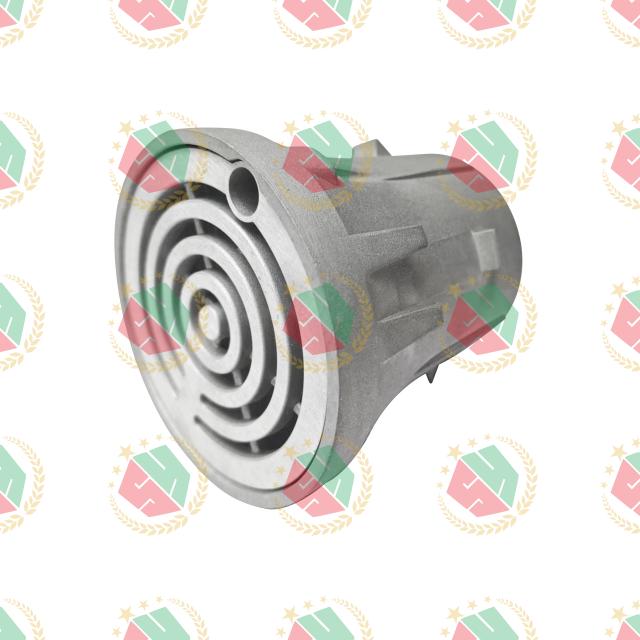
Aluminum remains the dominant material across the heavy manufacturing sector. A380 serves as the baseline standard alloy. It offers the best combination of casting ease, mechanical strength, and thermal properties. Most general-purpose components utilize A380 because it balances performance with predictable manufacturing behavior on the foundry floor.
A360 provides superior corrosion resistance and high-temperature strength. It contains less copper than A380. This altered chemistry makes it slightly more difficult to cast, requiring tighter temperature controls. Engineers specify A360 for harsh environments where parts face constant moisture, salt spray, or chemical exposure.
A390 features exceptional wear resistance and hardness. Its hypereutectic silicon content makes it perfect for automotive engine blocks, compressor bodies, and transmission housings. However, this abrasive nature accelerates tool wear significantly. Foundries must perform more frequent mold maintenance and replace gate inserts more often when running A390.
Infrastructure components demand exceptional corrosion and moisture resistance. Plumbing and sanitation systems frequently utilize A360 or A380 to survive decades of abuse. For commercial facilities, engineers often specify a die cast aluminum floor drain to guarantee long-term durability under constant water exposure and heavy foot traffic.
Load-bearing applications require strict structural integrity. Designing an aluminum die casting floor drain lid, heavy-duty hinge brackets, or industrial motor casings means impact resistance is non-negotiable. High yield strength prevents these parts from deforming under heavy physical loads or sudden mechanical impacts.
Electrical and thermal management systems leverage the metal's natural properties. Engineering a die casting aluminum socket connector utilizes aluminum's dimensional stability under thermal stress. It dissipates heat efficiently while maintaining precise contact alignments, preventing electrical shorts or connection failures in high-voltage applications.
Aluminum's high melting point creates distinct manufacturing challenges. It melts at roughly 1,200°F (650°C). This extreme heat causes severe thermal fatigue in H13 steel molds. The constant heating and cooling cycle leads to heat checking—a network of fine cracks on the die surface. This reduces overall die life and increases long-term tooling amortization costs. Foundries must budget for die replacement or major refurbishment every 100,000 to 150,000 shots.
Machinability presents another trade-off. While generally good, high-silicon aluminum alloys require specialized cutting tools. Polycrystalline diamond (PCD) inserts are often necessary for secondary operations like tapping, milling, or facing. This adds to the per-part processing expense and requires more robust CNC machining setups to hold tight tolerances.
Zinc alloys dominate when precision, thin walls, and tool longevity are paramount. The Zamak series represents the bulk of zinc production globally. Zamak 3 stands as the industry standard. It offers an excellent balance of physical properties and long-term dimensional stability. Manufacturers use it for everything from automotive door handles to complex gear housings and telecom enclosures.
ZA alloys, including ZA-8, ZA-12, and ZA-27, contain higher aluminum content. They provide higher strength and creep resistance compared to standard Zamak alloys. Engineers select ZA alloys for higher-stress structural applications where standard zinc might deform over time under constant mechanical load.
Zinc excels at net-shape casting. Its exceptional fluidity allows for casting intricate details and extremely thin walls down to 0.015 inches. You can create complex internal geometries without secondary machining. This eliminates entire steps from the manufacturing process, reducing labor and machine time on the factory floor.
Zinc is highly viable for low-volume production and prototyping. Its low melting point, around 750°F (400°C), allows foundries to use softer, less expensive tooling materials like P20 steel. This makes short runs highly economical. You can launch products faster without committing to expensive, fully hardened H13 steel molds.
Tooling longevity is zinc's greatest economic advantage. Lower melting temperatures dramatically reduce thermal shock on the die. A well-maintained zinc mold running in a hot-chamber machine often extends tool life to over one million shots. This spreads the initial tooling investment across a massive number of parts.
Zinc has significant density. It is much heavier than aluminum or magnesium. This makes it completely unsuitable for weight-sensitive aerospace components, drone frames, or portable electronic devices. If weight reduction is your primary engineering goal, zinc is the wrong choice.
Thermal instability restricts zinc's application range. Its mechanical properties degrade rapidly at elevated temperatures. You cannot use standard zinc alloys in environments exceeding 200°F (93°C). The material loses tensile strength and becomes highly susceptible to creep deformation under sustained loads, leading to eventual part failure.
Magnesium provides the ultimate solution for weight reduction in structural components. AZ91D is the most common magnesium alloy. It offers excellent castability, a high strength-to-weight ratio, and good corrosion resistance. It serves as the baseline material for most lightweight structural components in consumer electronics and automotive interiors.
AM60B provides enhanced ductility. It features excellent energy-absorbing properties. Automotive engineers rely on AM60B for safety components like steering wheel armatures and seat frames. These parts must bend and absorb impact energy during a collision rather than shattering into dangerous fragments.
Weight reduction drives magnesium adoption across multiple industries. It is 33% lighter than aluminum and 75% lighter than zinc. This extreme weight savings is essential for automotive light-weighting initiatives aimed at improving fuel efficiency. Handheld consumer electronics, like laptops, tablets, and camera bodies, also depend heavily on magnesium frames to reduce user fatigue while maintaining rigidity.
Magnesium offers inherent EMI/RFI shielding. These electromagnetic shielding properties make it vastly superior to plastics for electronic housings. It protects sensitive internal circuit boards from external interference without requiring secondary metallic coatings, conductive paints, or copper foils.
Processing molten magnesium involves severe handling risks. The metal is highly reactive and flammable in its molten state. It requires strict safety protocols to prevent oxidation and Class D metal fires on the foundry floor. Foundries must use specialized flux or protective shielding gases, such as sulfur hexafluoride or sulfur dioxide, over the melt to keep oxygen away.
These processing complexities drive up manufacturing costs. Generally higher raw material costs combine with specialized handling requirements. Hot-chamber machines used for magnesium require robust safety enclosures and specialized dosing systems. This increases the final per-unit price compared to standard aluminum or zinc parts.
Brass and copper alloys serve highly specialized industrial niches. Engineers utilize them when extreme hardness, superior wear resistance, or maximum electrical conductivity is required. Common applications include heavy-duty switchgear, specialized plumbing fixtures, and industrial electrical contacts that must handle high amperage without overheating.
White bronze sees occasional use in niche markets. It provides extreme corrosion resistance. Marine hardware, ship fittings, and specific decorative applications sometimes rely on this alloy when standard materials fail under constant saltwater exposure and harsh weather conditions.
Pewter and tin alloys prioritize aesthetics over mechanical strength. Pewter is a soft, highly malleable alloy with a very low melting point. Foundries utilize it almost exclusively for decorative items, jewelry, awards, and collectible figurines. It works perfectly for low-stress models where intricate detailing and surface finish matter more than structural performance.
Casting copper and brass causes severe tool wear. Their exceptionally high melting points, often exceeding 1,700°F (925°C), cause rapid thermal fatigue in the mold. H13 steel dies experience severe heat checking very quickly. The extreme temperature differential breaks down the mold surface rapidly, leading to dimensional inaccuracies and poor surface finish on the parts.
This drastically impacts economic viability. Tooling life is extremely short, often failing under 10,000 shots. Therefore, these materials are strictly reserved for applications where absolutely no other alloy can meet the performance criteria. You must factor frequent mold replacements and heavy maintenance into the overall project economics.
You must balance the strength-to-weight ratio against unit cost. Magnesium carries a premium price tag. However, lighter parts generate shipping and operational savings. You must calculate if the lifetime fuel savings of a lighter automotive part offset the initial casting cost. For consumer goods, a lighter product often improves user experience directly, justifying the higher material expense.
Surface finish requirements dictate material choices. Zinc offers superior readiness for high-quality electroplating. It requires minimal surface preparation to achieve a flawless mirror finish for decorative hardware. Aluminum is better suited for powder coating and anodizing, as its natural oxide layer integrates well with these finishes to provide durable, weather-resistant exteriors.
Material | Density (lb/in³) | Melting Point | Typical Tool Life (Shots) | Best Application Focus |
|---|---|---|---|---|
Aluminum (A380) | 0.098 | High (~1200°F) | 100,000 - 150,000 | Strength, high temperature resistance |
Zinc (Zamak 3) | 0.240 | Low (~750°F) | 1,000,000+ | Precision, thin walls, electroplating |
Magnesium (AZ91D) | 0.066 | Medium (~1100°F) | 200,000 - 300,000 | Ultra-lightweight, EMI shielding |
Brass/Copper | 0.300+ | Very High (~1700°F) | < 10,000 | Extreme hardness, electrical conductivity |
Cycle times directly impact profitability. Zinc's rapid cooling allows for much faster cycle times. The metal solidifies quickly in the mold. This increases hourly yield and lowers machine-hour costs compared to aluminum, which requires longer cooling periods before ejection. Faster cycles mean you can produce more parts per shift, optimizing factory floor utilization.
Tooling amortization changes based on volume. High-volume runs favor zinc due to minimal die replacement. Aluminum requires factoring in die maintenance. You must budget for mold replacement every 100,000 to 150,000 shots. High-volume aluminum projects often require multiple duplicate molds to keep production running smoothly while one tool undergoes maintenance.
Global manufacturing requires strict adherence to RoHS and REACH directives. You must verify selected alloys comply with international environmental standards. Surface treatments, especially hexavalent chromium plating on zinc or aluminum, face heavy regulation. Always specify compliant trivalent chromium or alternative finishes to ensure your products can be sold in European and North American markets.
Recyclability supports circular economy initiatives. Aluminum and zinc are highly recyclable. Utilizing secondary recycled alloys reduces the raw material footprint without sacrificing mechanical properties. Foundries routinely remelt runners, biscuits, and gating systems in-house to minimize material waste and improve overall operational efficiency.
Gas entrapment and shrinkage porosity threaten part quality. These defects compromise the structural integrity and pressure-tightness of cast parts. A porous casting will leak under fluid pressure, failing hydraulic or pneumatic requirements. Internal voids also create stress concentrators that lead to cracking under mechanical load.
Mitigation requires advanced engineering. Foundries utilize vacuum-assisted systems to evacuate air from the mold before injection. Optimizing gate and runner design via mold flow analysis and PQ2 diagrams verifies smooth metal flow. Selecting high-fluidity alloys and utilizing localized squeeze pins also minimizes shrinkage voids during the cooling phase.
Mating dissimilar metals accelerates galvanic corrosion. Assembling an aluminum housing with steel fasteners in a wet environment creates a battery effect. The more anodic metal degrades rapidly. This destroys the assembly over time, leading to structural failure in the field.
Mitigation involves isolating the metals. Specify appropriate dielectric coatings to break the electrical connection between the parts. Utilize zinc-plated fasteners to provide a sacrificial barrier. Alternatively, select alloys with closer anodic indices to minimize the reaction potential across the assembly.
Engineers often face prototyping discrepancies. CNC machining prototypes from billet aluminum, like 6061, does not accurately reflect the mechanical properties of the final cast alloy, like A380. Billet material lacks the porosity and flow lines inherent to casting. Testing a billet part gives false confidence in the design's strength and fatigue resistance.
Mitigation requires process-accurate prototypes. Utilize gravity casting or zinc-based rapid tooling to simulate the final process. Specialized 3D-printed sand molds allow you to pour the actual production alloy. This verifies prototype testing closely mimics final production performance under real-world stress.
Transitioning from material selection to active production requires strict validation. Follow these actionable steps to finalize your alloy choice and protect your manufacturing investment:
Audit your thermal and mechanical operating environments to eliminate unsuitable alloy families immediately.
Calculate tooling amortization across the expected product lifecycle, factoring in die replacement costs for high-melting-point metals.
Run mold flow simulations on your 3D CAD models to verify your chosen material can successfully fill thin walls and complex geometries.
Specify exact alloy grades and acceptable trace element limits on your manufacturing blueprints to prevent unauthorized foundry substitutions.
Order process-accurate prototypes poured in the actual production alloy before cutting hardened steel production molds.
A: Aluminum is the most common material, specifically the A380 alloy. It offers an excellent balance of dimensional stability, thermal resistance, and mechanical strength. This makes it ideal for a wide range of automotive, industrial, and consumer applications.
A: Zinc has a low melting point, which dramatically reduces thermal fatigue on the steel molds. This allows tools to last for over a million shots. Additionally, zinc cools quickly, enabling faster cycle times and higher hourly yields.
A: Yes. Magnesium alloys like AZ91D and AM60B offer excellent strength-to-weight ratios. They are widely used in automotive steering columns, seat frames, and aerospace structural components where weight reduction is critical.
A: Porosity creates microscopic voids within the metal structure. This reduces the part's overall tensile strength and impact resistance. It also compromises pressure-tightness, causing fluid or gas leaks in hydraulic and pneumatic components.
A: Yes, non-ferrous metals like aluminum, zinc, and magnesium are highly recyclable. Foundries frequently melt down scrap parts, runners, and gating systems. This secondary metal maintains excellent mechanical properties and reduces raw material costs.


